Ureteral Stents might not be the most exciting topic, but honestly, they’re super important when it comes to keeping your kidneys happy and making sure your urinary system works smoothly. Basically, these tiny tubes help urine flow from your kidneys down to your bladder — which sounds simple, but trust me, it’s a game-changer, especially if you’re dealing with blockages or just got out of kidney surgery. They’re designed to keep things moving continuously, which is a huge deal because unchecked issues like hydronephrosis can do serious damage to your kidneys if they’re not managed right.
In the sections ahead, we’re going to break down the top five reasons why ureteral stents are such a big deal—for your kidneys and your urinary health overall. Whether it’s easing pressure, fighting off infections, or helping you heal after surgery, knowing why these devices matter can really make a difference—both for patients and for the healthcare folks taking care of them. As we dig into what makes ureteral stents so crucial, we hope to highlight not just what they do, but how vital they are for keeping your renal health in check. At the end of the day, it’s all about helping you live better and avoid some serious complications down the line.
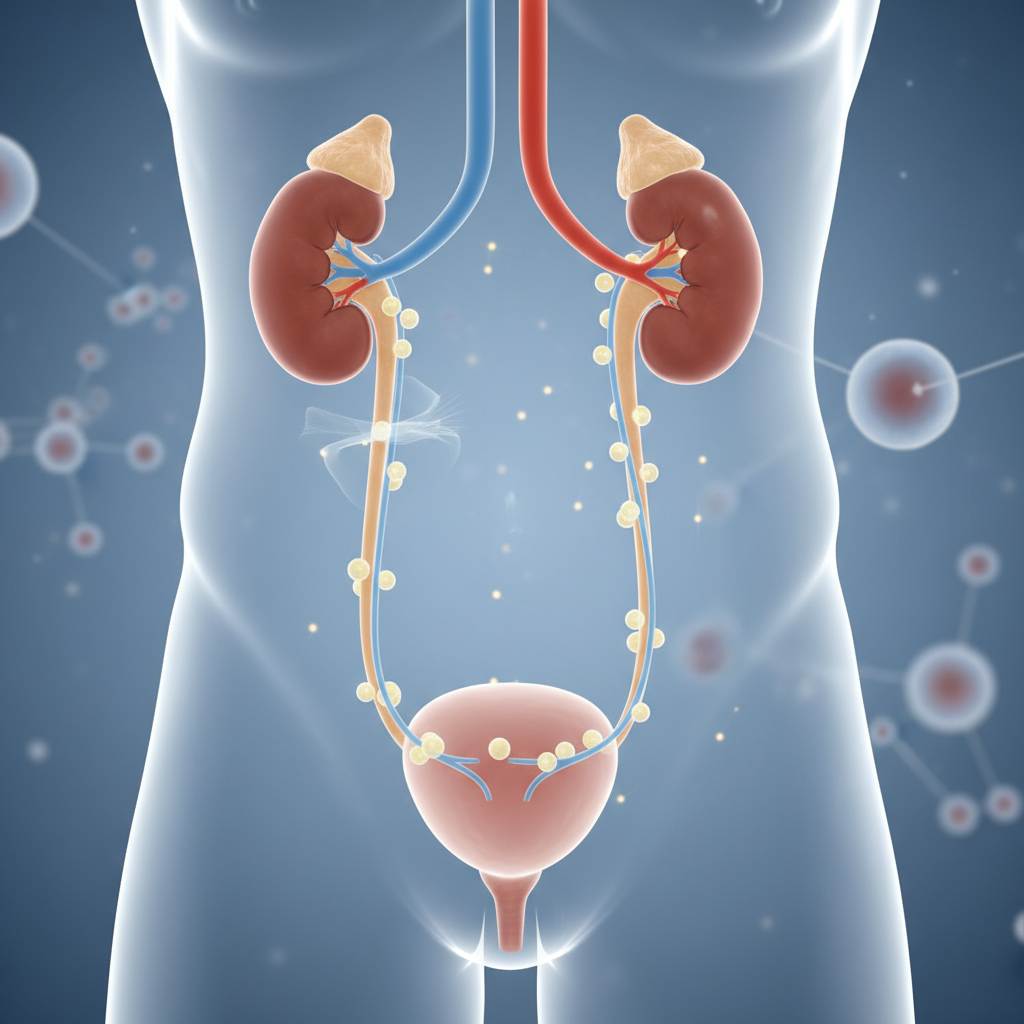
Ureteral stents play a crucial role in maintaining kidney function by alleviating obstructions and promoting urine flow. Research highlights that in cases of ureteral obstruction, such as in experimental dog models, renal blood flow can decline dramatically—by 60% within the first 24 hours and up to 80% in two weeks. This significant decrease underscores the importance of timely stenting to prevent irreversible kidney damage. In patients who undergo ureteral stenting, studies have shown changes in kidney size, suggesting that the restoration of normal urine flow can have a beneficial impact on renal health.
Moreover, complications arising from chronic conditions like recurrent nephrolithiasis can further impair kidney function. Ureteral stents not only mitigate the risks associated with these obstructions but also enhance the overall quality of life for patients by reducing pain and potential infections. With the projected growth of the ureteral stent market, it reflects the increasing recognition of their essential role in ensuring kidney health and maintaining urinary function. At Tianck Medical CO., Ltd., we are dedicated to advancing healthcare solutions and improving patient outcomes through our precision-engineered ureteral stent products tailored to meet the needs of medical professionals and their patients.
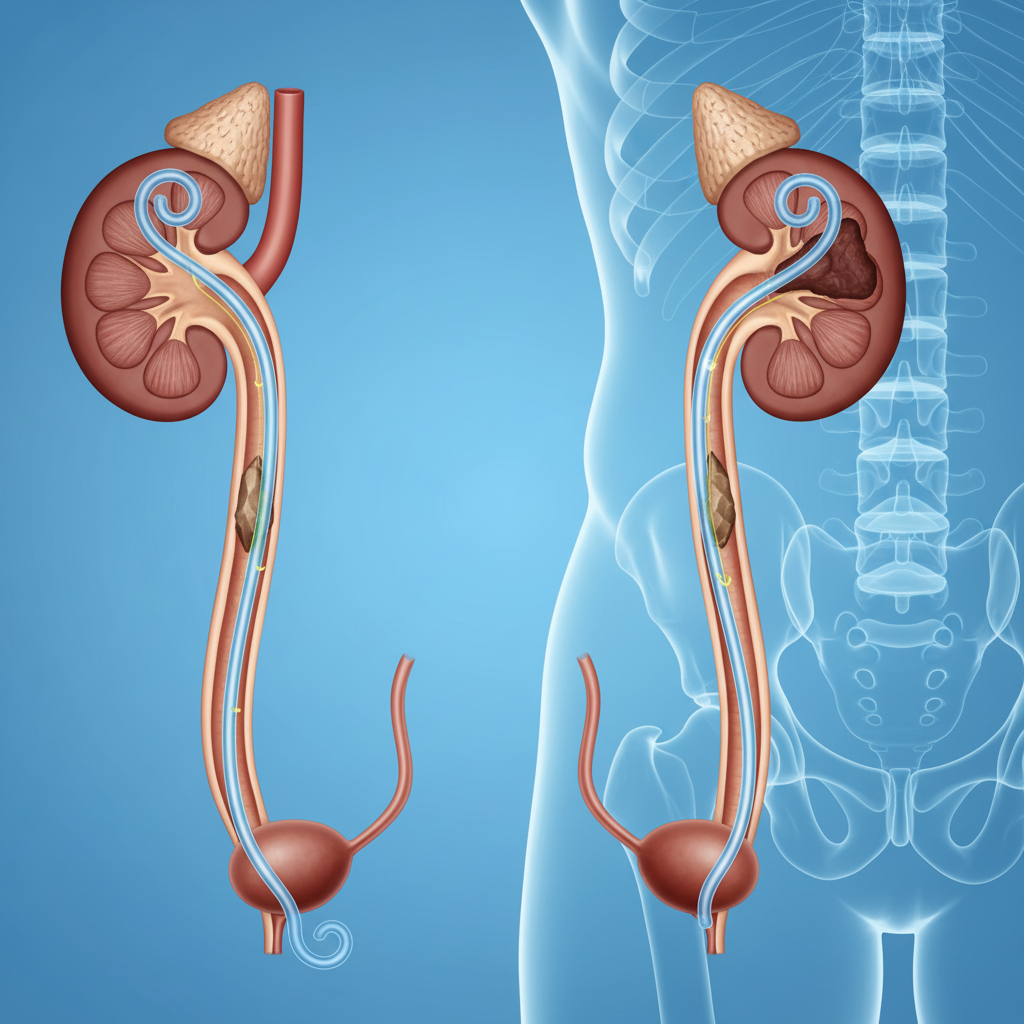
Ureteral stents are small, flexible tubes that play a crucial role in maintaining kidney health and ensuring proper urinary function. They are designed to be inserted into the ureter, the tube that carries urine from the kidney to the bladder, to keep it open and allow for the free flow of urine. Conditions such as kidney stones, tumors, or strictures can obstruct the ureter, leading to kidney swelling, infection, or even renal failure. According to the American Urological Association, ureteral stenting can reduce the need for more invasive surgical procedures by about 30% in cases of ureteral obstruction.
The use of ureteral stents has been on the rise, driven by advancements in medical technology and an increase in patients with urinary tract issues. A recent study published in the Journal of Urology reported that over 1.5 million ureteral stents are placed annually in the United States. This statistic highlights the stents' essential role in urology, where timely intervention can significantly impact patients’ quality of life. Moreover, the stents come in various types, including double-J stents and antegrade stents, tailored to meet specific medical needs, further demonstrating their versatility and importance in maintaining urinary tract health.
Ureteral stents play a crucial role in managing various urological conditions, particularly in cases involving kidney stones, ureteral obstructions, and other related issues. Over 10%of Americans experience kidney stones, making them one of the most common urological problems treated by physicians. When stones are removed, Temporary Stents are often placed to prevent complications, though patients may experience significant pain during the process. As highlighted in a recent study, ureteroscopy and stenting provide a reliable approach for dealing with upper urinary tract issues, indicating the importance of stenting in safeguarding renal health.
In terms of market growth, the global ureteral stents market is projected to reach approximately USD 1,128.19 million by 2034 from an estimated USD 575.54 million in 2024, reflecting a compound annual growth rate (CAGR) of 3.6%. This trend underscores the growing recognition of stents' importance in urology, suggesting that advancements in stent technology will continue to enhance patient outcomes.
Tips for maintaining kidney health include staying hydrated, monitoring dietary intake, and understanding individual health risks related to urological conditions. Regular check-ups can also help in early detection and management of kidney stones and other related disorders, ensuring optimal urinary function and overall kidney health.
Ureteral stents play a crucial role in maintaining urinary health and protecting kidney function. According to the American Urological Association, over 1 million ureteral stents are placed annually in the United States for various indications, including the management of urinary obstructions. These stents serve to keep the ureter open, allowing urine to flow from the kidney to the bladder, thus preventing potential kidney damage due to back pressure and hydronephrosis. This is especially important in cases where patients are dealing with kidney stones or tumors that obstruct urinary pathways.
The benefits of ureteral stents extend beyond simply restoring urine flow. A study published in the Journal of Urology noted that timely stent placement significantly reduced the risk of infection and complications related to urinary blockage. Moreover, the use of biodegradable stents is on the rise; research published in the British Journal of Urology International suggests that these stents can dissolve after fulfilling their purpose, minimizing the need for invasive removal procedures. As advancements in stent technology continue, it’s clear that these devices are vital not only for immediate relief but also for long-term kidney protection and overall urinary health.
Effective management of ureteral stents is crucial for maintaining kidney health and optimal urinary function. Ureteral stents play a vital role in ensuring proper drainage from the kidneys to the bladder, especially in cases of obstruction due to stones or other medical conditions. Proper care involves regular monitoring for any signs of complications, such as infection or stent migration, and adhering to follow-up appointments with healthcare providers. Patients should be educated about the importance of hydration and recognizing symptoms that may indicate the need for intervention.
At Tianck Medical CO., Ltd., we understand the importance of precision-engineered medical products in improving patient outcomes. Our cutting-edge ureteral stent designs are developed in collaboration with healthcare professionals to meet the evolving needs of both providers and patients. We are committed to equipping medical practitioners with the tools necessary for effective stent management, ensuring they can provide the highest level of care while enhancing patient safety and comfort. Through our innovative approach, we aim to support the ongoing health and well-being of patients requiring ureteral stents.
: Ureteral stenting is commonly used for managing kidney stones, ureteral obstructions, and related urological issues.
Over 10% of Americans experience kidney stones, making them a widespread urological issue.
Temporary stents are placed after kidney stone removal to prevent complications and aid in proper drainage.
The global ureteral stents market is expected to reach approximately USD 1,128.19 million by 2034, growing from an estimated USD 575.54 million in 2024.
Patients should stay hydrated, monitor their dietary intake, understand individual health risks, and attend regular check-ups for early detection of kidney stones and related disorders.
Effective stent management includes regular monitoring for complications, adhering to follow-up appointments, staying hydrated, and recognizing symptoms that may require intervention.
Tianck Medical CO., Ltd. focuses on developing precision-engineered ureteral stent designs in collaboration with healthcare professionals to enhance patient outcomes and safety.
Educating patients about the importance of hydration and recognizing symptoms is crucial for effective stent management and overall kidney health.
Ureteral stents play a crucial role in maintaining kidney health and supporting urinary function by facilitating the flow of urine from the kidneys to the bladder. These precision-engineered devices are essential for managing various medical conditions such as urinary obstructions, kidney stones, and post-surgical situations, ensuring that kidney function is preserved and kidney damage is prevented. In addition to their primary function, ureteral stents provide significant benefits for urinary health by reducing symptoms associated with urinary blockages and enhancing overall patient well-being.
Effective management and care of ureteral stents are vital for maximizing their benefits. Patients and healthcare professionals should work together to monitor the stents, manage potential complications, and ensure timely replacements as needed. At Tianck Medical Co., Ltd., we are dedicated to creating high-quality ureteral stents that cater to the evolving needs of both patients and medical professionals, ultimately advancing healthcare and improving patient outcomes.